Approved Freight Forwarders
Helpful Articles - Freight

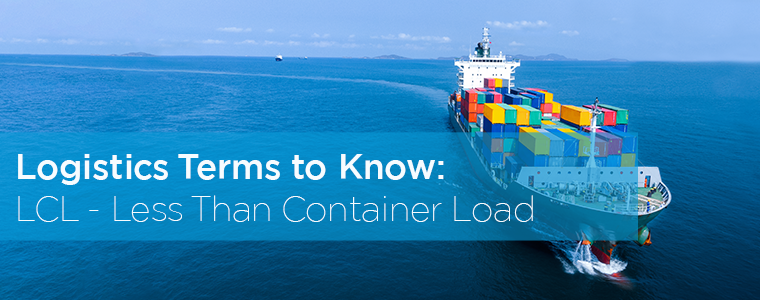
What Is LCL?   

Ocean freight is on the rise, according to a report by Research and Markets. The research company has projected a 3% compound annual growth rate for this mode of transportation through 2025.i If that holds true, terms like LCL and its close cousin, FCL, will only increase in popularity as more businesses start moving goods via ocean freight.  If you’re one of those companies interested in ocean freight—or you simply want to learn more about this mode—we’ll walk you through exactly what exactly LCL freight is. We’ll also show you why it might be right (or not!) for your organization.  (And, if you have questions about any other terms, make sure to check out our Approved glossary...

Read More
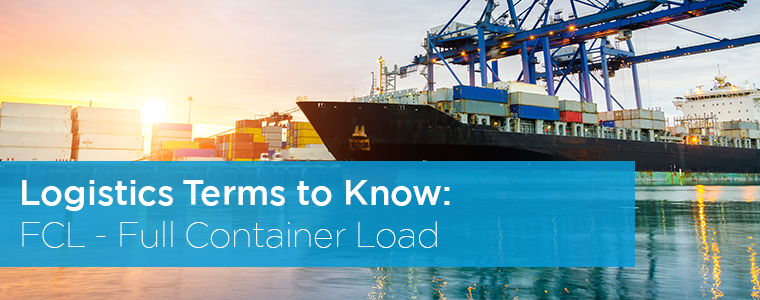
What is FCL?

It’s estimated that 11 billion tons of goods move via ocean freight every year. In 2020, 775 million twenty-foot equivalent units (TEUs) were shipped globally—the equivalent of 387 million 40′ containers. Additionally, that volume is projected to continually increase into 2024ii—and likely beyond.  In short, ocean freight is big business, and it all centers around the containers used to transport cargo and goods.   If you want to discover more about this critical shipping mode, we’ll walk you through the most common option for moving freight via ocean transport: FCL shipments. We’ll explain what FCL means, and we’ll also discuss why it might be the right choice for your business—or not!  (If you want to explore more logistics lingo, make sure to check out our Approved glossary of freight and logistics terms!)  What...

Read More

Industry Update: The Rise of Electric Semis, Trucks, and Vans—Despite Challenges

With sustainability initiatives popping up all over the transportation and logistics industry, it’s only natural that attention would turn toward over-the-road transportation and its diesel emissions. While diesel-powered medium- and heavy-duty vehicles represent only 5% of road traffic, they account for more than 20% of emissions. Additionally, truck traffic in and out of busy ports like the Ports of Los Angeles and Long Beach contributes to overall emissions, which have been linked to higher incidences of cancer and asthma in surrounding areas. Recent advances in electric vehicles—including semis, box trucks, and delivery vans—offer the transportation industry an appealing alternative. Some of the industry’s biggest names...

Read More

Insights from the Pandemic: Reshoring, Nearshoring, and the Future of Supply-Side Strategies

Supply chain vulnerabilities are high in the minds of many leaders in both the public and private sectors. On February 24, 2021, President Joe Biden set in motion a 100-day government review of potential vulnerabilities in U.S. supply chains, centered around critical items including medical gear, batteries for electric cars, and computer chips. Additionally, a private-sector research report showed that 73% of companies surveyed were hit with some kind of supply-side challenge during the COVID-19 pandemic. Going forward, it’s clear that suppliers will be a big focus for supply chain managers looking to build more flexibility into their operations. In this installment of our Insights...

Read More

Supply Chain Management: Planning—and Why It’s Critical for Hawaii Businesses

At the heart of every business that delivers a product to its customers, you’ll find its supply chain. Managing your supply chain so that it operates smoothly, efficiently, and cost-effectively is essential to both the health and long-term survival of your organization. When you dive down into the nitty-gritty of supply chain management, it might feel like there are as many models as there are types of businesses. To keep it simple, we like to use the Supply Chain Council’s supply chain operations reference model (SCOR), an industry-standard that breaks down supply chain management into five parts: Plan Source Make Deliver Return In this first...

Read More

Lessons from the Pandemic: The Future of Just-in-Time Logistics

Although the global COVID-19 pandemic looms large in our current consciousness, it’s hardly the first major event to create significant supply chain disruptions. Consider the 1998 hurricane that affected Guatemala, Nicaragua, and Honduras. The massive storm wiped out 10% of the worldwide banana crop, putting both Chiquita and Dole in a difficult position. Additionally, the 9/11 attacks on the Twin Towers in New York City resulted in increased security and scrutiny around shipments coming into the U.S., delaying the arrival of many manufacturing components from abroad. Among those affected were U.S. auto manufacturer Ford Motor Company, who had to close five of their plants for...

Read More