October 4, 2021By: mcameron
As you’re optimizing your supply chain, you may compare freight modes and wonder if you’re using the right mix for your business. Below, we’ve rounded-up statistics and data on air, rail, ocean, and over-the-road freight. By perusing these numbers, you’ll get a sense of how other companies are leveraging modes within the United States and across the globe. You may also gain some new insights around mixing up your freight modes to support your organization’s goals and your budget. First, we’ll start with some stats on U.S. domestic freight. How Far Does Freight Move in The U.S.? As you may know, some modes of transportation are better suited for longer distances, while others shine at short distances. As...
Read MoreSeptember 26, 2021By: mcameron
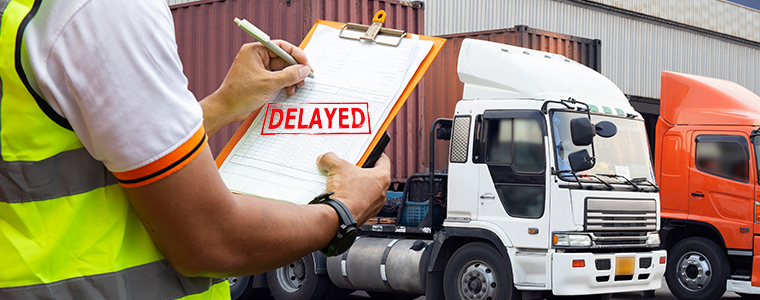
Port BackupsA record-breaking number of ships waiting to dock at the Ports of Los Angeles and Long Beach. A record-breaking number of ships waiting to dock at the Ports of Los Angeles and Long Beach. read more Stranded ContainersA record-breaking number of ships waiting to dock at the Ports of Los Angeles and Long Beach. Big retailers chartering dedicated vessels to bring stranded containers of goods over from Asia. read more Price IncreasesA record-breaking number of ships waiting to dock at the Ports of Los Angeles and Long Beach. Cargo prices anywhere from five to eight times higher than a year ago. read more That’s the current state of the global ocean freight industry....
Read MoreSeptember 20, 2021By: mcameron
In the United States, transportation is the largest contributor to greenhouse gases. That dubious distinction previously belonged to power plants. However, starting in 2017, transportation eclipsed electricity generation in terms of emissions. In fact, transportation is currently estimated to contribute 29% of all U.S. greenhouse gases.i For its part, the freight and transportation industry has made a significant push toward sustainability. Ocean freight in particular has leveraged new technology to power more sustainable ocean transportation, including LNG-powered container ships. Other prevalent modes of freight transportation—road, rail, and air—are making moves of their own to reduce their environmental footprint. Let’s take a closer look at the technology behind the sustainability efforts in these three arenas. ...
Read MoreSeptember 13, 2021By: mcameron
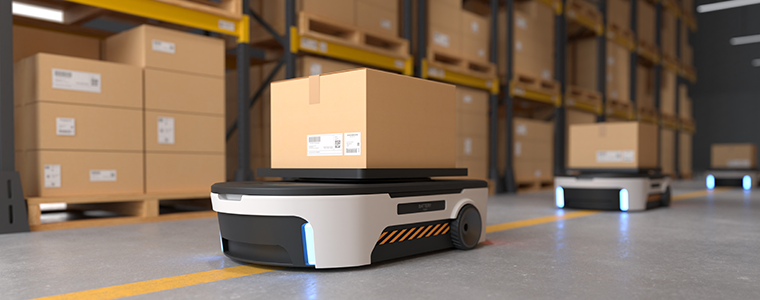
Innovation drives supply chain optimization. As you’ll see in the profiles of these six forward-thinking companies, fresh ideas can create new efficiencies, solve persistent problems, and open the door for new opportunities in supply chain effectiveness. We’ll look into the latest advances in logistics hardware, software and strategy. Plus, a peek at what’s coming down the road in the industry. You may discover some new ideas to power your own supply chain—or you may get inspired to create innovations of your own! Attabotics: Reimagining the Warehouse read more Inspired by the efficiency and structure of ant colonies, Attabotics is using robots to take the warehouse in a new dimension: up. What if you could reduce the footprint of a warehouse from 1.5 million square feet to just 340,000—and...
Read MoreAugust 30, 2021By: mcameron
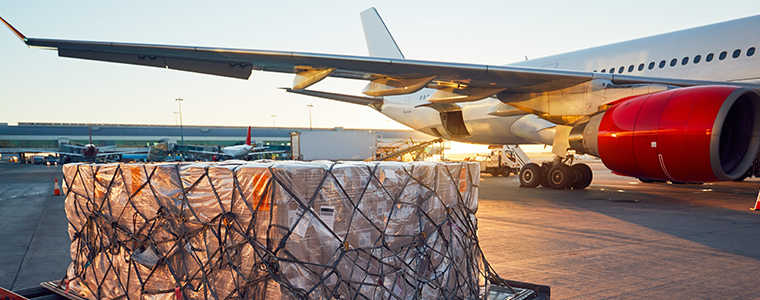
Updated: 5/25/2023 “Limited capacity and volatile rates” was the main headline for much of 2020 where the air freight market was concerned. As airlines canceled passenger flights and orders for PPE and essential supplies spiked, the cost to send goods via air freight hit new highs—and held firm for quite some time. At the start of 2023, we’re seeing a different picture emerge. Capacity is recovering. An analysis from CLIVE Data Services revealed that, in February 2023, air cargo capacity finally rose above pre-pandemic levels. Volume in February 2023 was still below pre-pandemic levels, though—7% less in chargeable weight, as compared to 2019. And...
Read MoreAugust 23, 2021By: mcameron
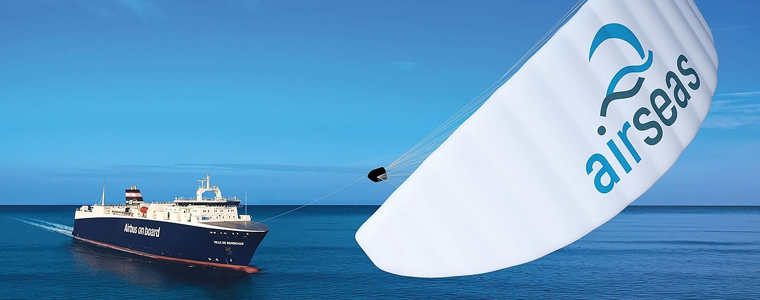
With more than 80% of international goods estimated to move by sea, ocean freight fuels our global economy.i In fact, the industry has been on a long-term track to growth, with volume nearly tripling since 1990.ii Since ocean freight is clearly here to stay, many have become concerned about its environmental impact. The industry faces several challenges along the road to sustainability, including reducing greenhouse gas emissions. However, thanks to advances in green technology, many shipping companies are successfully reducing their environmental footprint. Whether you’re a company looking to embrace sustainability or simply curious about sustainability, we’ll give you a run-down of the latest green tech solutions for ocean freight. While some have become established practices, others are still in development—truly on the cutting edge of “what’s next” for the shipping...
Read More


 (626) 723-0722