January 6, 2020By: mcameron
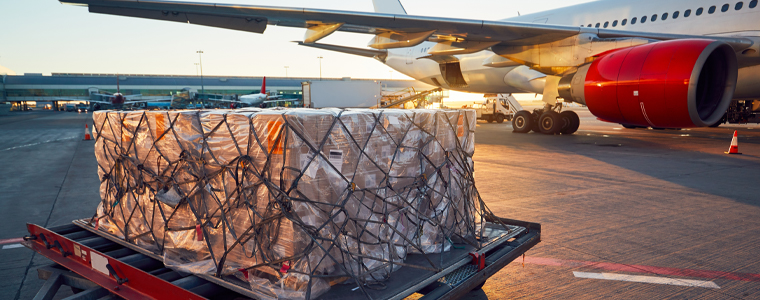
Pallets can make it much easier to handle and transport your goods traveling via air freight, as is the case with goods shipping via ocean freight. Additionally, freight that’s placed on a pallet can be moved without touching the actual goods themselves, reducing the possibility of damage. That being said, incorrectly prepping your palletized freight puts it at high risk during transit. In order to decrease the possibility of damage to your goods, we’ve put together a list of the most common mistakes we see in palletized air freight. We’ll also share our solutions to help you correct these mistakes. By reviewing this list, you’ll set the stage for ensuring that your shipment reaches its destination in perfect condition—and on time. Mistake #1: Overpacking Your Shipment When you’re preparing your air freight shipments,...
Read MoreDecember 10, 2019By: mcameron
On January 1, 2020, a set of emission standards created by the International Maritime Organization (IMO) will take effect. These regulations, which limit sulphur oxide (SOx) emissions from all ships, aim to create global health and environmental benefits, especially for populations who live in proximity to ports and coastal areas. In order to meet these new standards, steamship lines will need to make changes to 1) the fuels they use and/or 2) the equipment they operate. The global consulting firm AlixPartners estimates that these changes could cost the shipping industry as much as $10 billion. Furthermore, they estimate that this could result in fuel surcharges ranging from 33-40%. How will IMO 2020 affect your...
Read MoreNovember 4, 2019By: mcameron
Careful management of your supply chain means analyzing each link to uncover new strategies that can give you an edge. When it comes to moving supplies and finished products, rail could be worth a look. In specific cases, transitioning from trucking to rail can offer your organization several advantages, including good transit times at lower rates. (More on the benefits of rail in a moment!) However, not all organizations will benefit equally from rail. Those that stand to benefit the most share three criteria: Criteria #1: You Have Access to a Rail Spur Moving freight exclusively by rail—as opposed to an intermodal solution—allows you to take full advantage of all that rail transport has to offer. This includes leveraging the additional capacity that rail cars can handle, both in terms of weight and volume. However,...
Read MoreOctober 29, 2019By: mcameron
When you’re selecting a freight forwarder or shipper, you might notice that they use “agents” in certain destinations to make the final delivery of your freight. This can be especially prevalent in far-flung places like Hawaii and Guam. Before deciding on a forwarder, you should know that using agents can have three potential areas of impact on your business. To help you make a well-informed decision, we’ll walk you through each one of them so you can see how delivery from an agent might affect your operations. But, first, let’s walk through the role of an agent so you can understand how it works—and why a forwarder might use an agent in the first place. When a freight forwarder or shipper doesn’t...
Read MoreOctober 7, 2019By: mcameron
A freight forwarder can be a crucial partner for shipping supplies and delivering goods to customers. Additionally, an exceptional freight forwarder can be more than just an intermediary between you and the carriers who move your freight. In this article, we’ll explain: What is a freight forwarder, exactly? What does a freight forwarder do? What kind of advantages can they offer a business? If you’re not already working with a freight forwarder, this article will help you evaluate potential partners. And if you’re already working with a freight forwarder, this article can help you get more out of your relationship—and secure an even bigger advantage...
Read MoreSeptember 17, 2019By: mcameron
Some hazardous materials are easy to spot. For example, it’s clear why a can of gasoline, a barrel of hydrofluoric acid or a crate of fireworks would require special labeling and handling when shipped. However, there are a number of hazardous items that aren’t as obvious. Because it’s critical to disclose these items to your carrier so they can be properly labeled, packaged and handled, we’ll run you through a list of six unexpected hazardous materials you should be aware of. After all, mislabeled hazardous materials can create dangerous situations on the boats, trucks, and planes that carry them—and the fines that result can be steep. Additionally, procedures for domestic shipments differ from those for international ones, and some materials that are permitted...
Read More


 (626) 723-0722